
Heel pain can make even the simplest daily activities uncomfortable. Whether you’re taking your morning walk, standing at work, or exercising, persistent heel pain can affect your mobility and quality of life. One of the most common causes of heel pain is plantar fasciitis, a condition that affects millions of people each year.
In this article, we’ll explore what plantar fasciitis is, its symptoms, common causes, and how effective treatment can help you get back on your feet.
What Is Plantar Fasciitis?
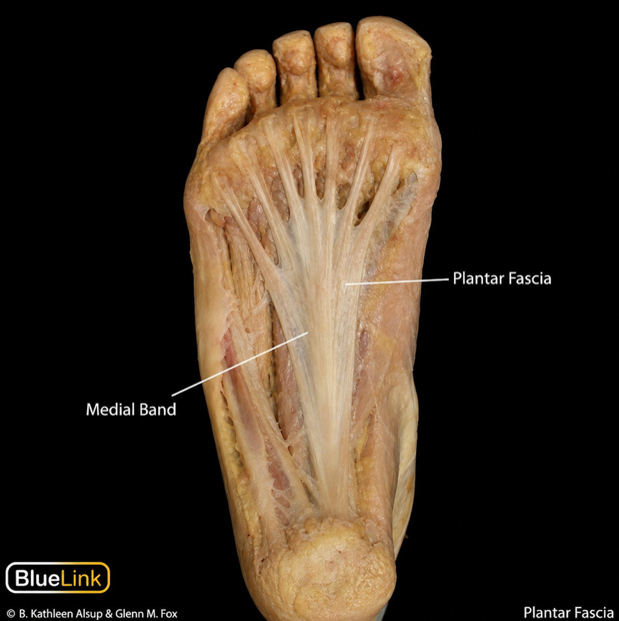
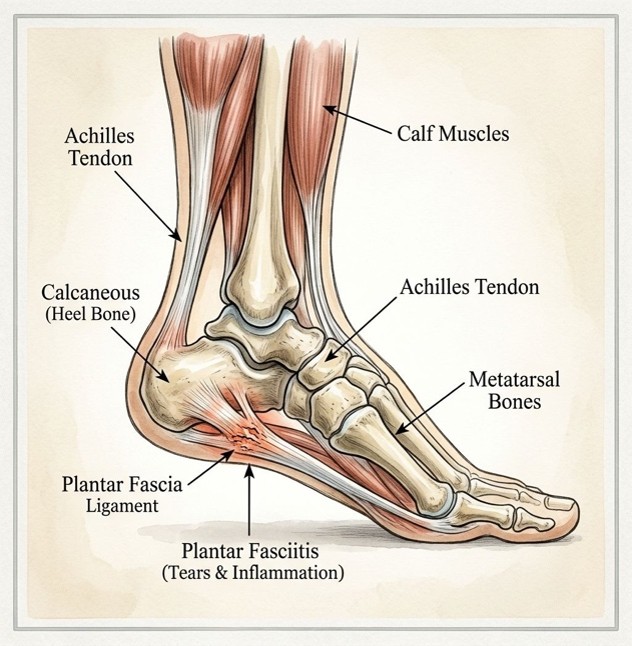
The plantar fascia is a thick band of connective tissue that runs along the bottom of your foot, connecting your heel bone to your toes. Its primary role is to support the arch of your foot and absorb shock during movement. Plantar fasciitis occurs when this tissue becomes irritated, inflamed, or develops small tears due to excessive strain. Over time, this inflammation can cause significant heel pain and stiffness.
Common Symptoms of Plantar Fasciitis
- Sharp or stabbing pain in the heel
- Pain that is worse with the first steps in the morning
- Discomfort after long periods of sitting or resting
- Heel pain that improves with movement but returns after prolonged activity
- Tightness or stiffness in the arch of the foot
While the pain may start gradually, it can become chronic if left untreated.
What Causes Plantar Fasciitis?
Several factors can increase your risk of developing plantar fasciitis, including:
1. Overuse and Repetitive Stress
Activities that place repeated stress on the feet, such as running, walking long distances, or standing for extended periods, can strain the plantar fascia.
2. Poor Foot Mechanics
Flat feet, high arches, or abnormal walking patterns can place additional stress on the plantar fascia.
3. Inadequate Footwear
Shoes that lack proper arch support or cushioning may contribute to increased strain on the heel and foot.
4. Tight Muscles
Tight calf muscles and Achilles tendons can limit ankle mobility, increasing tension on the plantar fascia.
5. Excess Body Weight
Additional body weight places greater stress on the feet, which can contribute to inflammation and pain.
Who Is Most at Risk?
Plantar fasciitis can affect anyone, but it is most common among:
- Adults between the ages of 40 and 60
- Runners and athletes
- Teachers, healthcare workers, and others who stand for long periods
- Individuals with obesity
- People with flat feet or high arches
How Is Plantar Fasciitis Diagnosed?
A healthcare professional will typically diagnose plantar fasciitis through a physical examination and a review of your symptoms. They may assess your foot structure, range of motion, and areas of tenderness.
In some cases, imaging such as ultrasound or X-rays may be recommended to rule out other causes of heel pain.
Effective Treatment Options
The good news is that most cases of plantar fasciitis respond well to conservative treatment.
Physiotherapy, Chiropractic and Manual Therapy
Targeted treatment can help improve foot and ankle mobility, reduce tension, and support proper biomechanics.
Stretching and Rehabilitation Exercises
Specific exercises for the plantar fascia, calf muscles, and Achilles tendon can improve flexibility and reduce strain.
Custom Orthotics and Supportive Footwear
Proper arch support can help distribute pressure more evenly across the foot and reduce stress on the plantar fascia.
Shockwave Therapy
Shockwave therapy is a non-invasive treatment that may stimulate healing in chronic cases of plantar fasciitis.
Activity Modification
Reducing activities that aggravate symptoms while maintaining appropriate movement can support recovery.
Ice and Self-Care Strategies
Applying ice and performing regular stretching can help manage pain and inflammation.
When Should You Seek Professional Help?
If heel pain persists for more than a few weeks, interferes with daily activities, or continues to worsen despite home care, it’s important to seek professional assessment.
Early treatment can help prevent chronic pain and speed up recovery, allowing you to return to your normal activities sooner.
Find Relief from Heel Pain
At Essence Health Wellness Clinic, we provide comprehensive assessments and personalized treatment plans to address plantar fasciitis and other causes of foot and heel pain. Our goal is to help you reduce pain, restore mobility, and get back to doing the activities you enjoy.
If you’re experiencing persistent heel pain, contact our team today to schedule an evaluation and discover the treatment options that may be right for you.
Your feet carry you through life—don’t ignore the signs when they’re asking for help.